Causes of Knee Pain, Treatment Options & Prevention
Knee pain can severely impact the way we go about our daily lives. Daily activities such as walking, running, or sitting down can be challenging due to severe pain. There are many ways to manage knee pain; this includes conservative as well as surgical techniques. Accurate diagnosis and prompt treatment are important to prevent escalation of simple injuries into complex ones.
The common causes of knee pain
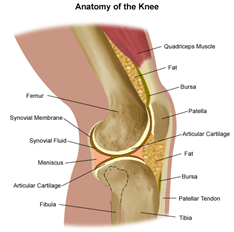
Runner’s knee is a common knee injury experiences by athletes and non-athletes alike. It presents as an anterior knee pain due to excessive pressure between the patella (kneecap) and the femur bone (patella-femoral joint). The cartilage covering the patella-femoral joint may also be worn out. Associated inflammation of the patella tendon and the bursa (pre-patella bursitis, supra-patella bursitis) also contribute to knee pain. The causes of runner’s knee include weakness of the quadriceps muscles, poor running technique and imbalances with your foot (flat feet). Your orthopaedic surgeon and physiotherapist will be able to manage your symptoms and guide you back to your active lifestyle with appropriate care and treatment.
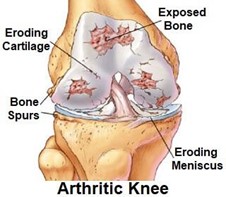
Knee arthritis is a degenerative condition where the protective cartilage covering our knee joints are worn out and no longer provide the smooth surface for our joints to move. Patients start to develop a painful grinding sensation in their knees which hamper their daily function. Some even start to develop deformities of their legs such as bow-leggedness and knock knees. Millions of people around the world are affected by knee arthritis, impacting their basic quality of life and happiness.
Associated symptoms of knee pain
Knee pain and its associated inconveniences can creep into our daily lives. Many patients find themselves limping or even waddling when they walk to compensate for the crippling knee pain. This can decrease productivity and increased energy expenditure when walking.
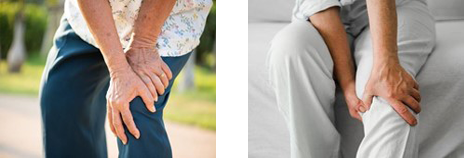
Most sports-related injuries lead to knee pain, swelling and stiffness. A common method to manage these symptoms include rest, ice, compression and elevation (RICE). If these easy methods of managing knee injuries fail to improve your symptoms, you are advised to seek professional medical help.
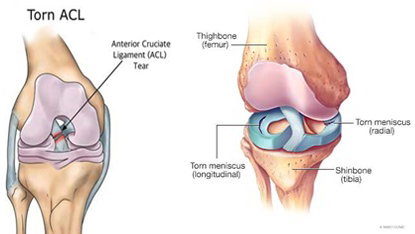
ACL ruptures are frequently encountered in pivoting sports. Athletes may experience a sensation or even hear a ‘pop’ when they tear their ACL. This is swiftly followed by knee pain and swelling. It is important to ice the knee when this happens. Your orthopaedic surgeon will carefully examine your knee and organise an MRI scan to determine the extent of your injury. Our physiotherapist will work on your quadriceps muscles to ensure they do not weaken with the injury. Professional help is often necessary with ACL ruptures to facilitate a timely return to sports.

Knee injury and arthritis prevention
Dynamic stretching such as moving your shoulder, back and knees before exercise is just as important and contributes to your warm-up. Static stretching such as touching your toes to release your hamstring muscles should only be done after your exercise. It helps prevent delayed onset muscle soreness (DOMS) and recovery.
One should always be prepared in terms of sporting equipment and clothing when doing a sport. It helps you enjoy your sport safely and prevent injuries. Pre-sports training and biomechanics is also important in sports such as golf and tennis where repetition of a bad swing can lead to muscle and joint injuries.
The stress on your knees is proportional to your body weight. Each time you lose 1kg, it reduces the stress on your knees by 4kg. Current international guidelines actively promote an active lifestyle, aerobic exercises and healthy weight loss to combat knee pain from arthritis.
You know your body best. It is important to know your limits and abilities to prevent injuries. Do not be pressured by those around you who may be fitter, stronger or faster. Exercise safely towards your personal goals.
Treatment options
Meniscal tears do not heal naturally due to its poor blood supply. Depending on the location of these tears, your orthopaedic surgeon may repair them or debride (smoothen its edges) them through a keyhole (arthroscopic) procedure. This would help preserve the integrity of your knee in the long run.
ACL ruptures are reconstructed through an arthroscopic procedure. The new ACL graft is often the patient’s own hamstrings which are known to regenerate after a few years. Patients tend to return to sports one year after their surgery. This is to allow the graft to mature and prevent a rupture of the new ACL graft.
Patients with knee arthritis may require a knee replacement procedure. There are three compartments to the knee and only the worn-out compartment is replaced. In patients who are 40-55 years old with arthritis in only one compartment of their knee, a partial knee replacement (UKA) may improve their pain and overall function. It will allow them to return to work and enjoy an active lifestyle. Some may require a revision to a full knee replacement in future if needed. Most patients above 60 years old would benefit from a total knee replacement. This operation replaces the worn-out cartilage throughout the knee and removes any torn meniscus as well. After the initial rehabilitation, patients are encouraged to lead an active lifestyle and indulge in sporting activities such as brisk walking, cycling, tennis and golf. Modern technologies such as robot-assisted knee replacement (Makoplasty) have also improved the precision of these surgeries and extended the longevity of these implants.
Conclusion
An accurate diagnosis is always important for you to receive appropriate and effective treatment. Do schedule a consultation with our orthopaedic surgeon at your convenience. Early assessment and treatment are key in managing sports and degenerative knee conditions.
When should I see an orthopaedic surgeon for knee pain?
Most mild pain may improve with several days of rest and avoiding acerbating factors. If your
knee pain does not improve or even worsens with reasonable amount of rest, avoiding
strenuous activities and even medication, you are advised to seek medical attention from an
orthopaedic surgeon.
What are the most common causes of persistent knee pain?
-
In younger patients in their 20s or 30s, most knee pain is sports-related. They may suffer from sprains around the knee or meniscus/ ligament injuries.
-
For patients in their mid-30s to mid-50s, the sources of injury are quite varied. While some experience sports injuries, there are others with an early onset of osteoarthritis. This means they have early or minor cartilage wear and tear.
-
In most patients older than 55 years old, they generally have knee pain associated with osteoarthritis and degenerative conditions. There might be general wear of their meniscus with degenerative tears. Cartilage in the 3 different compartments of the knee may experience different levels of degradation and degeneration.
How does an orthopaedic doctor diagnose knee injuries?
The three main components of orthopaedic consults involve the following:
1. A thorough medical history (fact-finding).
2. A clinical examination of the injured and uninjured knee.
3. An appropriate investigation to confirm the diagnosis (X-ray, MRI, CT or ultrasound scan).
Can knee pain be treated without surgery?
Most cases of knee pain are treated without surgery. If the injury is mild, pain usually gets better with rest, icing, and simple painkillers.
Slightly more serious injuries may improve with physiotherapy and perhaps some knee injections.
Only serious or severe injuries which have failed the conservative techniques mentioned above
may be considered for surgery.
What treatment options are available for knee arthritis?
Knee arthritis refers to the degeneration of cartilage in the knee. Some patients also have malalignment of their knee and are either bow-legged or knock-kneed.
Conservative or non-surgical techniques for knee arthritis include pain medication, weight loss, aerobic exercises, icing and avoiding strenuous activities.
Invasive techniques include intra-articular knee injections.
Patients whose condition is not too severe may undergo keyhole surgery to repair their meniscus and cartilage. Those with knee malalignment may undergo a realignment procedure to even out pressure around their knee. These operations are called corrective osteotomies around the knee (high tibial osteotomy for varus knees, distal femur osteotomy for valgus knees).
Patients with arthritis in only one out of the three compartments of their knee may benefit from a partial knee replacement. Those with degeneration in two or more compartments may undergo a total knee replacement.