Procedures: ACL Reconstruction And Meniscal Repairs
Meniscus Surgery
Our knee joint separates our thigh and shin bones and facilitates us to walk and move about.
Our body weight runs through our knees, and the stress of it is absorbed by the two menisci in each of our two knees.
The meniscus is a C-shaped structure made out of cartilage which acts as a shock absorber. They play a key role in transferring body weight and contribute to the stability of our knees.
Tears of the meniscus are fairly common as a result of trauma which occurs suddenly, or degeneration, which occurs over time.
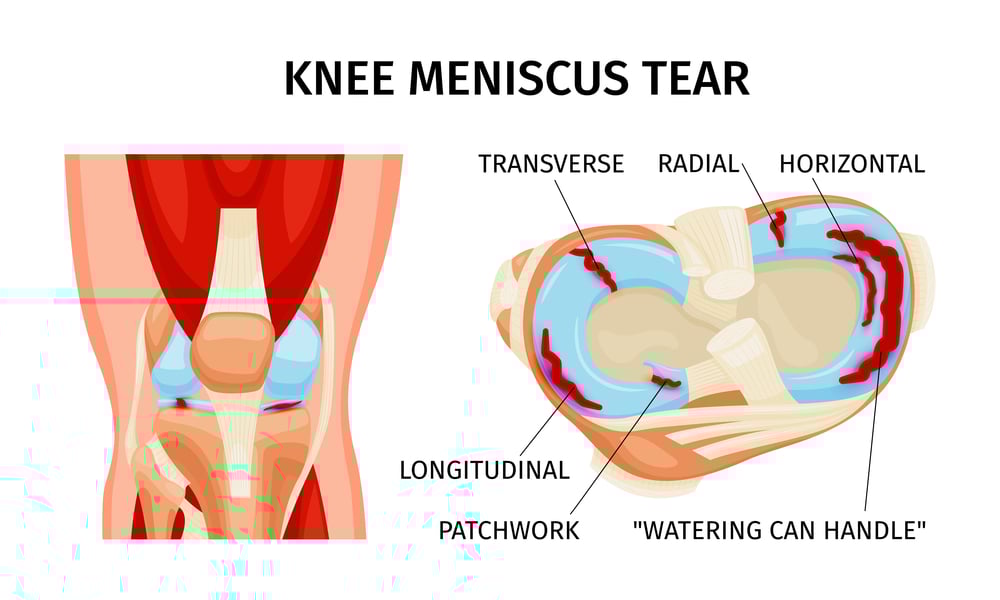
Without a fully functioning meniscus, the protection of our knees and the soft cartilage over the ends of our femur and tibia bones will be compromised. This will bring about early onset of arthritis, the degenerative wear and tear of our knee joint.
Causes and Symptoms of Meniscus Tears
Most patients present to their doctor with some knee pain and swelling after a meniscus tear. They would remember a minor twisting injury they may have suffered recently and the pain never really went away despite some rest. These meniscal tears often happen during sports, both in contact and non-contact sports. These younger patients may have meniscal tears with other injuries such as ligament sprains or even ligament ruptures e.g. anterior cruciate ligament ruptures. Other than pain, they may experience a catching or locking sensation in their knee. They may not have a full range of motion in their knee or have a feeling of the knee giving way.
In slightly older patients, the history of knee pain may be longer (months to years). Degenerate meniscal tears may occur together with cartilage injuries. Patients may have pain and stiffness or loss of function of their knee altogether. These are signs of arthritis.
Diagnosis and Treatment Options
Your orthopaedic surgeon will take a comprehensive medical history and perform a thorough physical examination of both your knees to form a differential diagnosis of what may be causing your pain. During the physical examination, the orthopaedic surgeon will palpate or press on various areas in your knee to determine which parts are painful and which parts are not. He or she will also stress the knee in specific positions to determine if the ligaments holding your knee together are intact or injured.
A simple standing x-ray of your knees from the front, the side and from the top (skyline view of the patella) may be required to exclude fractures, malalignment of the knees and thinning of cartilage. A formal MRI scan will give orthopaedic surgeons more information about soft tissue injuries such as meniscal tears, ligament sprains or ruptures as well as cartilage degeneration.
Meniscus Surgery Procedure
If the MRI scans show significant tears of the meniscus, the orthopaedic surgeon may discuss various treatment options with you. Conservative options such as medication, physiotherapy and rest from strenuous physical activities may help reduce pain and prevent further injuries. They also help strengthen the muscles around the knee such as the quadriceps and calf muscles.
With significant meniscal tears, surgery may be required to restore the integrity of the meniscus so that it may continue to protect your knee against the daily stress we put towards it. The meniscus receives its blood supply from the peripheral areas. As such, tears in the periphery (Red-Red Zone) tend to heal with repairs while the parts of the meniscus which do not receive a blood supply (White-White Zone) may not heal even if repaired. In this case, the tears are smoothened out (partial meniscectomy) so that they do not get bigger.
These surgeries are performed while patients are under general anaesthetic and are mostly key hole or minimally invasive surgeries.
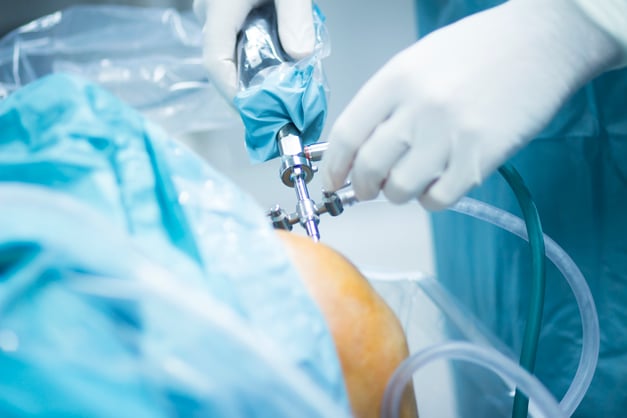
This means that the scars involved are very small, heal faster and are associated with lower risk of infection. Patients usually stay a night in hospital and are discharge the following day with a knee brace and some crutches. The brace and crutches are there to assist patients with walking while protecting the repaired meniscus as it heals. Most patients will require physiotherapy and rehabilitation after their surgery to allow them to return to sport and their active lifestyles sooner rather than later. Patients usually return to jogging at about 2 or 3 months after their surgery. This varies from patient to patient.

Advantages of Choosing Our Meniscus Surgery Service
Emphasize the use of advanced techniques and technology to ensure the best possible outcomes for patients
Provide testimonials or case studies from previous patients who have benefited from our meniscus surgery service)
Dr Mizan is an experienced orthopaedic surgeon and uses minimally invasive techniques to restore the form and function of your precious meniscus. Equipped with sound clinical skills and your MRI images, he will discuss with you the pros and cons of various forms of treatment for your injuries.
Not all meniscus tears are simple to repair. More complex tears, such as bucket handle tears, meniscus root avulsion injuries and meniscus extrusion injuries, will require a separate skillset involving suturing the injured meniscus and repositioning it within the knee so that it may continue to protect the knee. These customised treatment options are crucial to your recovery and are offered to all our patients.
What is a meniscus tear?
The meniscus is a C-shaped structure made of cartilage that acts as a shock absorber in the knee. We have two menisci in each knee, the medial (inner) and lateral (outer) meniscus. They sit between the thigh and shin bones, help transfer body weight, and contribute to the stability of the knee.
A meniscus tear occurs when this cartilage is damaged, either through:
- Trauma: a sudden twisting injury, common in sport
- Degeneration: gradual wear over time, where the meniscus tears with minimal force
Meniscus tears are among the most common knee injuries and can occur alongside other injuries such as an ACL tear.
What are the symptoms of a torn meniscus?
Common signs and symptoms of a meniscus tear include:
- Pain along the knee joint line, especially when twisting or squatting
- Swelling that develops over the hours following the injury
- A sensation of the knee catching, clicking, or locking
- Difficulty fully straightening or bending the knee
- A feeling that the knee is unstable or giving way
Some degenerative tears cause only mild, intermittent symptoms, while others significantly limit movement. A specialist assessment with an MRI scan confirms the diagnosis and guides treatment.
What should I do if I suspect I have torn my meniscus?
If you suspect a meniscus tear, the first step is to stop any vigorous physical activity to avoid making the injury worse. Then care for the knee using the RICE principles:
- Rest: avoid activities that load or twist the knee
- Ice: apply ice to reduce pain and swelling
- Compression: use a compression bandage to help control swelling
- Elevation: raise the leg to reduce swelling
If pain, swelling, or locking persists, or if the knee feels unstable, arrange an assessment with an orthopaedic surgeon, who may organise an MRI scan to confirm the diagnosis and check for associated injuries such as an ACL tear.
Does a meniscus tear always need surgery?
No. Many meniscus tears can be managed successfully without surgery, particularly smaller or degenerative tears. Non-surgical treatment includes:
- Rest, ice, compression, and elevation in the early phase
- Anti-inflammatory medication for pain and swelling
- Physiotherapy to strengthen the muscles supporting the knee
- Activity modification to avoid aggravating movements
Surgery is considered when symptoms such as pain, locking, or instability persist despite these measures, or when the tear is large, displaced, or occurs alongside another injury such as an ACL tear. Your surgeon will recommend the best approach based on the tear type, its location, and your activity level.
What is the difference between meniscus repair and meniscectomy?
There are two main surgical approaches to a meniscus tear, both performed arthroscopically (keyhole surgery):
- Meniscus repair: the torn edges are stitched back together so the meniscus can heal. This preserves the cartilage and is preferred where the tear is in an area with good blood supply. Recovery is longer, but it protects the knee against future arthritis.
- Partial meniscectomy: only the damaged, unstable portion of the meniscus is trimmed away, leaving healthy tissue intact. Recovery is faster, but it removes some cartilage.
Surgeons prioritise preserving the meniscus wherever possible, because retaining healthy cartilage helps protect the knee joint over the long term. The choice depends on the tear's location, pattern, and blood supply.
How long is recovery after meniscus surgery?
Recovery time depends on which procedure is performed:
- Partial meniscectomy (trimming): faster recovery, with many patients returning to daily activities within a few weeks and sport within around 4 to 6 weeks
- Meniscus repair (stitching): slower recovery, as the cartilage needs time to heal, often around 3 to 6 months before full return to sport, sometimes with a period of restricted weight-bearing or bracing
In both cases, a guided physiotherapy programme is key to restoring strength, movement, and confidence in the knee. Your surgeon will provide a timeline specific to your procedure.
What happens if a meniscus tear is left untreated?
Leaving a symptomatic meniscus tear untreated can lead to ongoing and potentially worsening problems, including:
- Persistent pain, swelling, and mechanical symptoms such as locking or catching
- A torn fragment moving within the joint and causing the knee to lock
- Increased stress on the knee cartilage, which can accelerate the development of arthritis over time
Not every tear requires surgery, but persistent or mechanical symptoms should be assessed promptly. Early treatment can relieve symptoms and, where the meniscus is preserved, help protect the knee against long-term joint damage.
.