Introduction
Let’s face it—most of us have experienced knee pain at some point in our lives. Sometimes, it improves after a few days of rest, but other times, it can stick around for weeks or even longer. Knee pain can be frustrating and disruptive, making it hard to keep up with the things we enjoy. Understanding what causes knee pain and knowing when to seek help can make a big difference in your recovery and overall well-being. Many people try to ignore mild knee pain, hoping it will simply go away. However, even simple knee pain can lead to stiffness, swelling, or limping if left untreated. Taking knee pain seriously from the beginning can help prevent further problems and may help you recover from sport injury more quickly.
Early Symptoms That Suggest Arthritis or Cartilage Damage
It’s important to remember that not all knee pain is caused by arthritis. Knee pain can result from many different things, like a minor sprain, overuse, or a simple muscle ache. Arthritis, on the other hand, does not happen overnight. It usually starts slowly, with small amounts of wear and tear on the cartilage—the smooth tissue that helps your knee joint move easily. Sometimes, the meniscus (a piece of cartilage that cushions your knee) can also wear down. As these changes happen, they can affect how your knee moves and feels, leading to symptoms such as:
- Persistent soreness after activity, which may last for days,
- Persistent swelling not better with compression and icing,
- Pain going downstairs (possibly, patellofemoral joint affected)
- Clicking or mild instability,
- Symptoms are not improving with rest, icing, and anti-inflammatory medication.
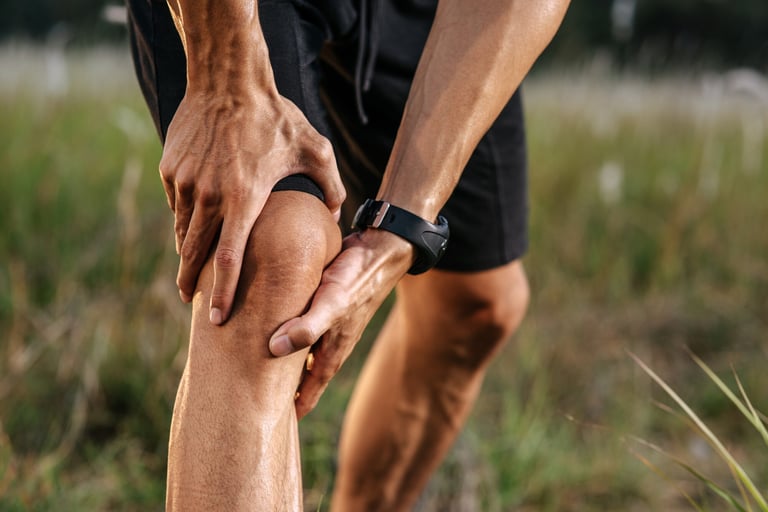
How Sports Increase the Risk When Pain Is Ignored
I see lots of sportsmen and women who are actively engaged in their favourite sports. They train for several days a week, plus competitive games on the weekend. Many come in with knee pain, swelling, or a sense of instability. When we talk about their routines, I often find that they don’t give their bodies enough time to rest and recover between activities. Important factors like staying hydrated, allowing muscles to heal, getting enough sleep, and eating nutritious foods are sometimes forgotten. It’s equally important to spend time on physical conditioning, strengthening, and stretching as it is to play the sport. When these areas are neglected, the risk of injury goes up, and recovery takes longer. Listening to your body and making time for proper care are key to staying active and pain-free. Therefore, they experience the following, to name a few:
- Running on worn-out cartilage and a torn meniscus,
- Twisting injuries in football, pickleball and basketball,
- Higher chance of ACL or meniscus tears with twisting and pivoting sports,
- High-impact injuries when playing or running on hard surfaces.
So, When to Seek Medical Evaluation?
The first red flags to notice would be:
- Pain lasting more than two weeks,
- Instability during sport, where the knee feels like giving way,
- Recurrent swelling despite rest and ice.
Making an appointment with an orthopaedic surgeon for a thorough assessment and further X-ray and MRI scans is the first step toward your healing.
Treatment Options for Active Adults
There are many ways to treat knee pain, depending on what’s causing it and how severe it is. Your doctor will discuss the best options for you, which may include one or a few approaches combined:
- Physiotherapy and physical therapy for swelling, muscle stretching and strengthening,
- Conditioning plans,
- Anti-inflammatory medication (NSAIDS),
- Joint lubrication (hyaluronic acid) injections,
- Key-hole procedures to repair torn meniscus and cartilage,
- Key-hole procedures to reconstruct ruptured ligaments,
- For patients aged 55 or older, a knee replacement MAY be considered if they have end-stage arthritis.
The main goal is always to help you recover and return to your daily activities safely. Don’t hesitate to ask questions and get involved in your treatment plan - it’s important to understand your options and feel confident about your care.
Book an in-person or teleconsult appointment with Dr Mizan - he always focuses on joint preservation and on methods tailored to each patient.