Introduction
Arthritis is a chronic condition where the cartilage - the smooth, protective tissue in your joints -wears out over time. This loss of cushioning is often joined by changes in the meniscus and the alignment of the knee, making it harder for the joint to move smoothly. As some parts of the knee wear out faster than others, the joint can become misaligned. Some people may become bow-legged, while others become knock-kneed. These changes can make it difficult to fully straighten or bend the knee, leading to pain and stiffness. Over time, this affects the way you walk and move, increasing the risk of falls, especially in older adults. Living with arthritis can feel discouraging, but understanding these changes is the first step to managing the condition and staying active.
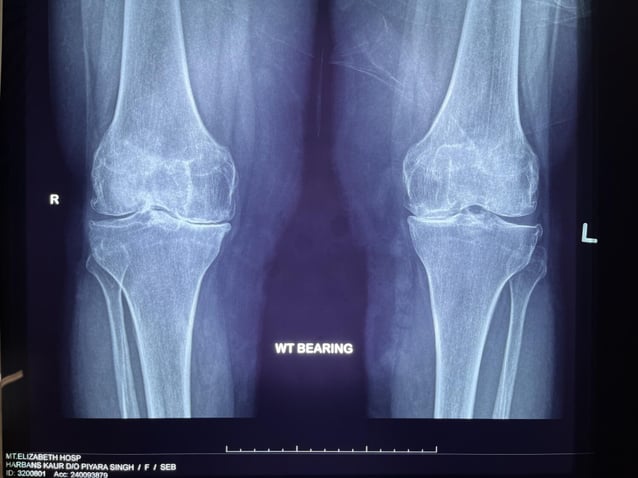
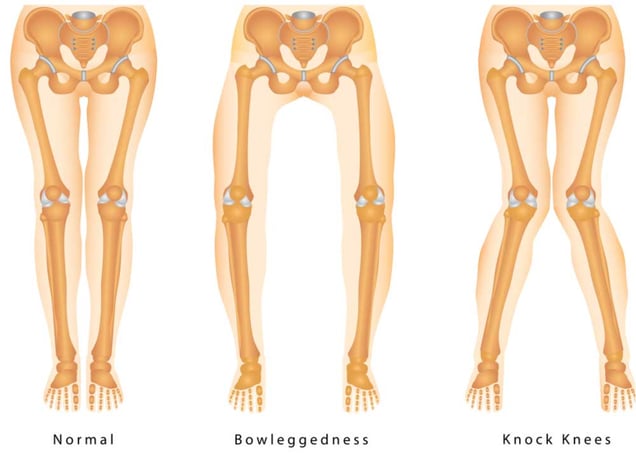
How Arthritis Leads to Joint Weakness
Most people diagnosed with arthritis are over 60, and they commonly experience pain, stiffness, swelling, and sometimes an unsteady walk. When these symptoms last for years, they can chip away at a person’s confidence and independence, often because of a growing fear of falling. Some people start to rely on walking sticks, while others may avoid walking altogether. Unfortunately, moving less leads to weaker muscles, especially in the legs, making it even harder to control movement and balance. This creates a vicious cycle: the less you move, the weaker you become. This type of muscle loss is called sarcopenia. Breaking this cycle by staying active (even with small, gentle exercises) can help preserve muscle strength and improve quality of life.
Why Delayed Treatment Leads to Further Injury
As mentioned above, symptoms of knee arthritis are not just physical. It has a negative impact on patients’ confidence and mental state. Many people feel frustrated or discouraged when pain limits their independence or prevents them from enjoying favourite activities. This emotional impact is especially strong in older adults, who may already be coping with other health changes or social isolation. Recognising the emotional side of arthritis is important, and seeking support from family, friends, or healthcare providers can make a real difference. To summarise, this is what happens:
- Knee pain leads to disuse muscle weakness and imbalance,
- Older patients are at higher risk of falls,
- As arthritis is neglected, cartilage wear and leg malalignment worsens,
Over time, all these factors can lead to increasing knee pain, more instability, and ongoing muscle weakness - which altogether can increase the risk of injuries. This makes daily activities, like walking up stairs or getting out of a chair, more challenging. Early intervention and a personalised treatment plan can help break this cycle and restore confidence.
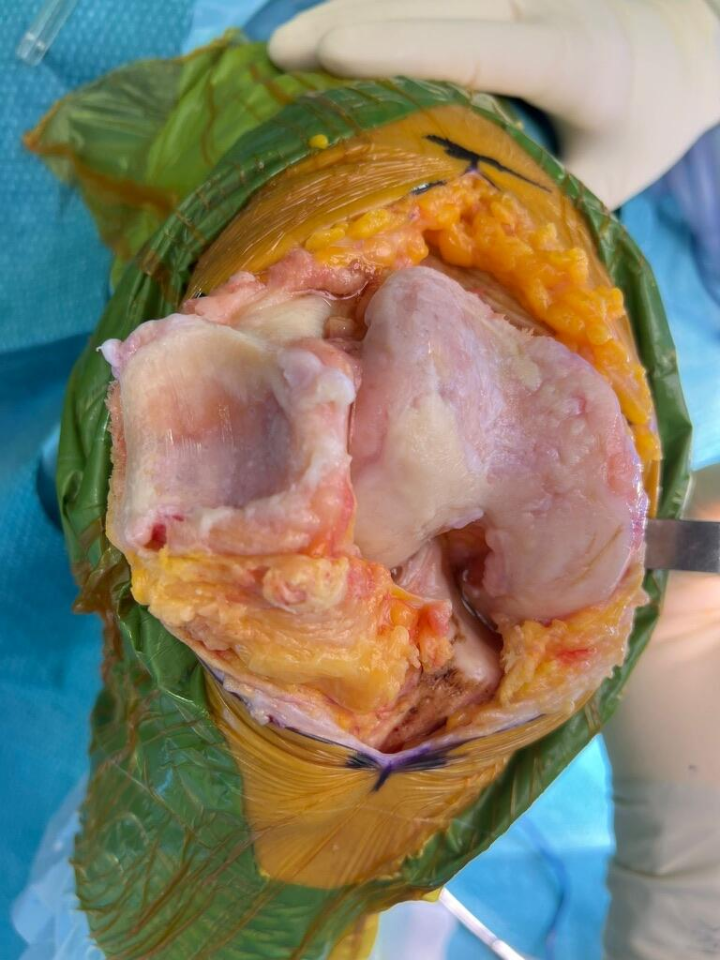
Worn-out cartilage over the femur and patella leads to severe pain and stiffness
The Relationship Between Arthritis and Osteoporosis
- Arthritis is a condition affecting the cartilage of synovial joints. Osteoporosis describes a metabolic condition in which the bones become more brittle and weak.
- While these two conditions are different, they are closely linked in older patients. This group of patients may suffer from both conditions at the same time.
- Persistent pain and swelling from knee arthritis often lead people to move less. As physical activity drops, so do muscle mass and strength, and the bones can begin to lose their density and structure from lack of use. Avoiding outdoor activities can also mean less exposure to sunlight, which is important for maintaining healthy bones. This combination can make bones weaker and more prone to fractures, especially in older adults. Staying as active as possible, even with gentle activities, helps keep both muscles and bones strong.
- Women over 50 face an added challenge. As they go through menopause, the body produces less estrogen, a hormone that helps keep bones strong. The combination of menopause and arthritis can cause bones to lose density more quickly, making fractures more likely. It’s important for women in this age group to be aware of these risks and to discuss bone health with their doctor.
As an orthopaedic surgeon, I see the importance of screening for both conditions in my older patients and ensure they receive appropriate treatment.
When Knee Replacement Becomes Part of the Treatment Plan
Unfortunately, patients with arthritis may experience persistent pain, stiffness and difficulty with daily activities if they have end-stage arthritis which is not improving with conservative techniques. In this case, X-rays or an MRI scan may show structural changes and degeneration in their knees.
These patients may benefit from either a partial knee replacement or a total knee replacement. The final decision will depend on both patient factors and the severity of their knee arthritis.
As an orthopaedic surgeon, my goal is to help every patient stay active and independent, with as little pain and discomfort as possible. I believe that everyone deserves to keep moving and enjoying life, no matter their age or diagnosis.
Schedule an appointment to make the first step to a better life without knee pain.