Sports Knee Injuries
ACL Ruptures
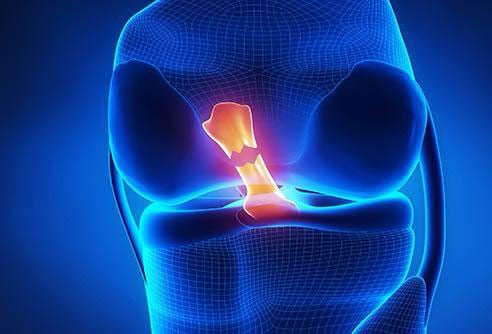
What is an ACL?
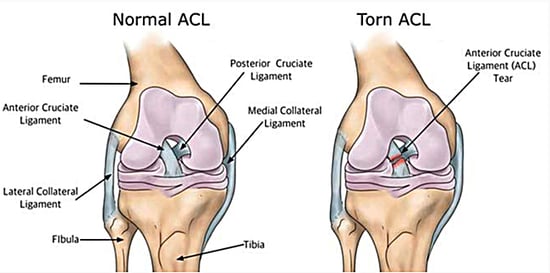
How does the ACL rupture?
How do I know if I ruptured my ACL?
Your doctor will first take a thorough history from you about your injury, how you were immediately after the fall and what sorts of symptoms you get several weeks and months after the fall. A clinical examination of the knee is then performed to assess for knee swelling, general range of movement as well as stability of the knee. An x-ray of the knee will be done to exclude any fractures while an MRI would be the modality of choice to assess for an ACL rupture. Some patients have other injuries such as meniscal tears or ligament sprains in addition to the ACL rupture from the fall. The MRI scan of the knee will be able to pick up all these injuries in a single sitting.
What treatments do I need after I rupture my ACL?
Physiotherapy after an ACL rupture is aimed at restroring normal range of motion of the knee, normal gait while walking and developing muscle strength of the quads and hamstring muscles. The torn or ruptured ACL will not heal itself. This is because the blood supply to the ACL had been disrupted during the injury itself.
Whether you decide to have surgery or not, rehabilitation plays a vital role in getting you back to you daily activities. Your surgeon and physiotherapist will customize a rehabilitation program for you to facilitate an accelerated recovery.
Can your ACL be repaired?
The ACL must be reconstructed to restore the stability of your knee. This is done through arthroscopic or key-hole techniques to facilitate an early return to function. Your torn ACL is replaced with a tissue graft. There are several options to obtain this tissue graft including your own hamstrings, your patella and its surrounding tendons as well a cadaveric graft (allograft). There are advantages and disadvantages to all options. Your surgeon will discuss with you your best option.
ACL surgery and rehabilitation.
We will slowly wean you of the knee brace at about 5 weeks as your walking and muscle strength and control improves. At about 3 months, you will be allowed to perform exercises in a straight line such as running, jumping and cycling. These exercises will be varied in terms of duration, intensity, speed and complexity of tasks. The goal of rehabilitation at 4 to 5 months is to maximise endurance and strength of muscle around the knee. Strenuous twisting motion of the knee such as a return to football or basketball is not recommended before 12 months as your new ACL graft merely acts as a scaffold while your body adds new tissue to it and makes it strong again. There have been numerous examples of both social and professional athletes who returned to a high level of exercise and sports too early and re-ruptured their new ACL graft.
Meniscus injuries
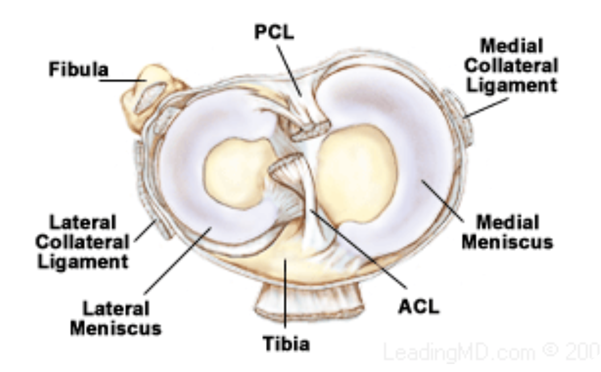
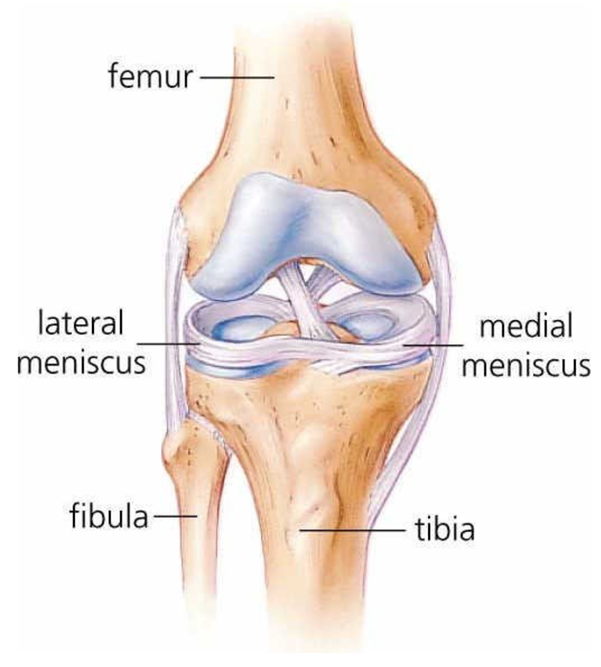
What is the meniscus in the knee and what are they used for?
How do I know I have torn my meniscus?
What can I do about it?
Surgery and recovery after meniscal surgery
After surgery, your knee will be protected in a knee brace and your surgeon may restrict how much you bend your knee to allow the meniscus to heal. Physiotherapy and rehabilitation after surgery are aimed at reducing pain and swelling of the knee, as well as strengthen the quads and hamstrings muscles around the knee.
Runners’ Knee
Common causes of knee pain include muscle imbalance and overuse activities like lunges, squats and jumps. Weak quadriceps muscles of the thigh may cause the patella to be pulled in the wrong direction as the knee is straightened and flexed. Your orthopaedic surgeon and physiotherapist will customize a rehabilitation program to strengthen the quadriceps muscles of your thigh and improve the pull of the patella. Despite your knee hurting, it may be your feet causing the symptoms. Patients with flat feet or over-pronated feet are unable to support their knee the way they should. Excessive stress around the knee will cause knee pain with simple daily activities. Your orthopaedic surgeon will assess your feet and both legs for any problems of malalignment. Insoles may be used to correct problems with flat feet.
Chondromalacia patella is a condition where the cartilage under the patella breaks down. After a thorough clinical examination by your orthopaedic surgeon, an MRI scan of your knee will be done to assess the cartilage under the patella.. There is evidence to show that intra-articular injections such as platelet rich protein (PRP) and viscosupplementation are effective in reducing pain and improving function in patients with arthritic knee pain.
When should I see an orthopaedic surgeon for a sports injury?
You should see an orthopaedic surgeon if your sports injury is not getting better after 1 or 2 weeks of rest, if your knee swelling or pain is getting worse and if your quality of daily life is affected. These symptoms may be a sign of a serious sports injury.
How do I know if I have torn my ACL or meniscus?
-
ACL injuries are usually associated with high-velocity sports injuries such as basketball, football or skiing. You will experience significant knee pain and swelling, and you will be unable to put much weight on the injured knee.
-
Meniscus injuries may present with pain in the medial or lateral compartments of the knee. This pain is worse when you stand or bend your knee. In serious meniscus injuries, patients may experience locking, where they are unable to fully extend or flex their knees.
Can sports knee injuries heal without surgery?
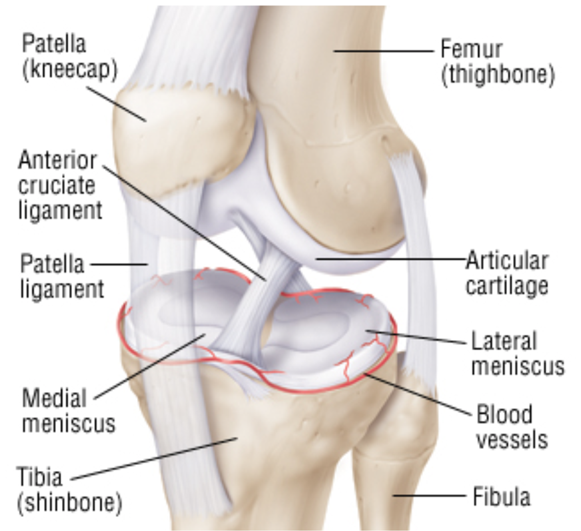
Most injuries heal if the injured structure has a blood supply. Structures such as the meniscus only have a blood supply in their peripheral areas. As such, meniscus tears where there is no blood supply will not heal.
ACL ruptures are associated with injuries of its blood supply. This makes it unlikely for ACL tears to heal by themselves.
Minor sprains to the ligaments around the knee, such as the MCL or LCL, can heal by
themselves with rest and physiotherapy. Orthopaedic surgeons often provide such patients with a knee brace to provide some stability to the knee as he recovers.
What are the treatment options for ACL and meniscus injuries?
Meniscus injuries usually require an MRI scan to assess the nature and location of the tears. Degenerative meniscus tears may be left alone, but new tears may require surgery to repair them. Irreparable tears may be debrided or cleaned up to reduce knee pain and prevent these tears from getting worse.
Minor ACL tears may be repaired, depending on their location and severity. Most ACL tears are complete ruptures and will require ACL reconstruction surgery.
How long does recovery take after sports knee surgery?
Depending on the nature of these injuries and whether surgery was required. Minor injuries may take 2-4 weeks to recover, while more serious meniscus injuries may take 3-4 months to recover.
Recovery means different things to different people. Everyone has different activities they enjoy and different physical capabilities. Physiotherapy and rehabilitation are important components of sports injuries.